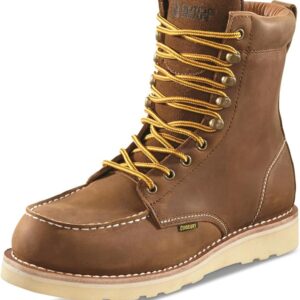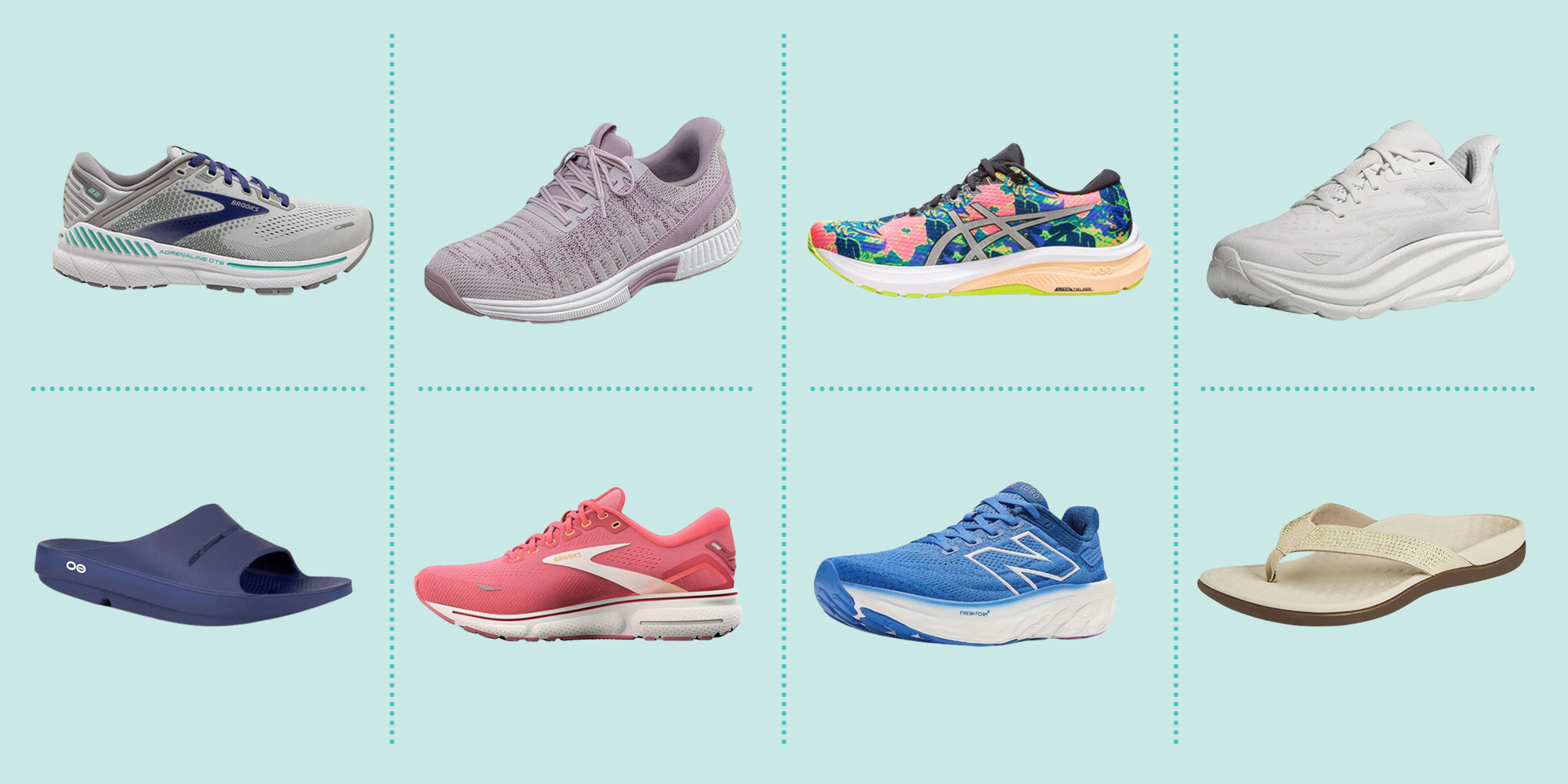
Work shoes for plantar fasciitis are designed to provide support and cushioning for people who suffer from this common foot condition. Plantar fasciitis is caused by inflammation of the plantar fascia, a thick band of tissue that runs along the bottom of the foot from the heel to the toes. This inflammation can cause severe pain and discomfort, making it difficult to walk or stand for long periods of time.
Work shoes for plantar fasciitis are typically designed with a number of features to help reduce pain and improve comfort. These features may include:
- Arch support: Arch support helps to distribute weight evenly across the foot and reduce stress on the plantar fascia.
- Cushioning: Cushioning helps to absorb shock and reduce impact on the foot.
- Heel support: Heel support helps to stabilize the heel and reduce stress on the plantar fascia.
- Rigid sole: A rigid sole helps to control foot motion and reduce stress on the plantar fascia.
Work shoes for plantar fasciitis can be an effective way to reduce pain and improve comfort. If you suffer from plantar fasciitis, talk to your doctor or podiatrist about whether work shoes for plantar fasciitis are right for you.
1. Arch support
Arch support is an important feature to consider when choosing work shoes for plantar fasciitis. The arch of the foot is a complex structure that helps to distribute weight evenly and absorb shock. When the arch is not properly supported, it can lead to pain and inflammation in the plantar fascia, the thick band of tissue that runs along the bottom of the foot from the heel to the toes.
-
Title of Facet 1: Types of arch support
There are different types of arch support available in work shoes. Some shoes have built-in arch support, while others allow you to insert your own orthotics. If you have flat feet or high arches, you may need to use orthotics to provide additional support.
-
Title of Facet 2: Benefits of arch support
Arch support can help to reduce pain and inflammation in the plantar fascia. It can also help to improve balance and stability, and reduce fatigue.
-
Title of Facet 3: Choosing the right arch support
When choosing work shoes with arch support, it is important to find a pair that fits well and provides the right amount of support. You may need to try on several different pairs of shoes before you find the right ones.
-
Title of Facet 4: Other factors to consider
In addition to arch support, there are other factors to consider when choosing work shoes for plantar fasciitis, such as cushioning, heel support, and a rigid sole. By considering all of these factors, you can find a pair of work shoes that will help to reduce pain and improve comfort.
Arch support is an important feature to consider when choosing work shoes for plantar fasciitis. By choosing shoes with the right type and amount of arch support, you can help to reduce pain and inflammation in the plantar fascia. You can also improve balance and stability, and reduce fatigue.
2. Cushioning
Cushioning is an important feature to consider when choosing work shoes for plantar fasciitis. Plantar fasciitis is a common foot condition that causes pain and inflammation in the plantar fascia, the thick band of tissue that runs along the bottom of the foot from the heel to the toes. Cushioning in work shoes can help to absorb shock and reduce impact on the foot, which can help to reduce pain and inflammation.
-
Title of Facet 1: Types of cushioning
There are different types of cushioning available in work shoes. Some shoes have built-in cushioning, while others allow you to insert your own insoles. If you have plantar fasciitis, you may want to choose shoes with extra cushioning.
-
Title of Facet 2: Benefits of cushioning
Cushioning can help to reduce pain and inflammation in the plantar fascia. It can also help to improve balance and stability, and reduce fatigue.
-
Title of Facet 3: Choosing the right cushioning
When choosing work shoes with cushioning, it is important to find a pair that fits well and provides the right amount of cushioning. You may need to try on several different pairs of shoes before you find the right ones.
-
Title of Facet 4: Other factors to consider
In addition to cushioning, there are other factors to consider when choosing work shoes for plantar fasciitis, such as arch support, heel support, and a rigid sole. By considering all of these factors, you can find a pair of work shoes that will help to reduce pain and improve comfort.
Cushioning is an important feature to consider when choosing work shoes for plantar fasciitis. By choosing shoes with the right type and amount of cushioning, you can help to reduce pain and inflammation in the plantar fascia. You can also improve balance and stability, and reduce fatigue.
3. Heel support
Heel support is an important feature to consider when choosing work shoes for plantar fasciitis. Plantar fasciitis is a common foot condition that causes pain and inflammation in the plantar fascia, the thick band of tissue that runs along the bottom of the foot from the heel to the toes. Heel support can help to reduce stress on the plantar fascia and improve comfort.
-
Title of Facet 1: Benefits of heel support
Heel support can help to reduce pain and inflammation in the plantar fascia. It can also help to improve balance and stability, and reduce fatigue.
-
Title of Facet 2: Types of heel support
There are different types of heel support available in work shoes. Some shoes have built-in heel support, while others allow you to insert your own heel cups or orthotics. If you have plantar fasciitis, you may want to choose shoes with extra heel support.
-
Title of Facet 3: Choosing the right heel support
When choosing work shoes with heel support, it is important to find a pair that fits well and provides the right amount of support. You may need to try on several different pairs of shoes before you find the right ones.
-
Title of Facet 4: Other factors to consider
In addition to heel support, there are other factors to consider when choosing work shoes for plantar fasciitis, such as arch support, cushioning, and a rigid sole. By considering all of these factors, you can find a pair of work shoes that will help to reduce pain and improve comfort.
Heel support is an important feature to consider when choosing work shoes for plantar fasciitis. By choosing shoes with the right type and amount of heel support, you can help to reduce pain and inflammation in the plantar fascia. You can also improve balance and stability, and reduce fatigue.
4. Rigid sole
A rigid sole is an important feature to consider when choosing work shoes for plantar fasciitis. Plantar fasciitis is a common foot condition that causes pain and inflammation in the plantar fascia, the thick band of tissue that runs along the bottom of the foot from the heel to the toes. A rigid sole can help to control foot motion and reduce stress on the plantar fascia.
When walking or standing, the foot naturally flexes and rolls. This motion can put stress on the plantar fascia and cause pain. A rigid sole helps to control this motion and reduce stress on the plantar fascia. This can help to reduce pain and improve comfort.
In addition to reducing pain, a rigid sole can also help to improve balance and stability. This can be especially important for people who work in physically demanding jobs or who are on their feet for long periods of time.
When choosing work shoes with a rigid sole, it is important to find a pair that fits well and provides the right amount of support. You may need to try on several different pairs of shoes before you find the right ones.
Overall, a rigid sole is an important feature to consider when choosing work shoes for plantar fasciitis. By choosing shoes with a rigid sole, you can help to reduce pain and improve comfort.
5. Fit
Fit is an important factor to consider when choosing work shoes for plantar fasciitis. Plantar fasciitis is a common foot condition that causes pain and inflammation in the plantar fascia, the thick band of tissue that runs along the bottom of the foot from the heel to the toes. Ill-fitting shoes can put stress on the plantar fascia and worsen pain.
There are a few key things to look for when choosing work shoes for plantar fasciitis. First, the shoes should fit snugly but not too tightly. There should be enough room to wiggle your toes, but the shoes should not slip or rub against your feet. Second, the shoes should have a supportive arch. The arch of the shoe should fit snugly against the arch of your foot and provide support. Third, the shoes should have a low heel. High heels can put stress on the plantar fascia and worsen pain.
If you have plantar fasciitis, it is important to wear work shoes that fit properly. Wearing ill-fitting shoes can worsen pain and make it more difficult to recover from plantar fasciitis.
6. Durability
Durability is an important factor to consider when choosing work shoes for plantar fasciitis. Plantar fasciitis is a common foot condition that causes pain and inflammation in the plantar fascia, the thick band of tissue that runs along the bottom of the foot from the heel to the toes. Durable work shoes can help to protect the feet and reduce pain.
There are a few key reasons why durability is important for work shoes for plantar fasciitis. First, durable shoes can help to protect the feet from further injury. Plantar fasciitis is often caused by repetitive stress on the feet, so wearing durable shoes can help to reduce the risk of further damage to the plantar fascia. Second, durable shoes can help to reduce pain. Durable shoes can provide support and cushioning for the feet, which can help to reduce pain and inflammation.
When choosing durable work shoes for plantar fasciitis, there are a few things to look for. First, look for shoes that are made from high-quality materials. Leather and synthetic materials are both durable and can provide good support for the feet. Second, look for shoes with a sturdy construction. The shoes should be well-made and should not have any weak spots or seams. Third, look for shoes with a good tread. The tread will help to provide traction and stability, which can help to reduce the risk of slips and falls.
Durable work shoes for plantar fasciitis can help to protect the feet, reduce pain, and improve mobility. When choosing durable work shoes, look for shoes that are made from high-quality materials, have a sturdy construction, and have a good tread.
FAQs on Work Shoes for Plantar Fasciitis
Plantar fasciitis is a common foot condition that can cause significant pain and discomfort. Choosing the right work shoes can help to reduce pain and improve comfort for those suffering from this condition. This FAQ section addresses some common questions and concerns about work shoes for plantar fasciitis.
Question 1: What are the most important features to look for in work shoes for plantar fasciitis?
Answer: When choosing work shoes for plantar fasciitis, there are several key features to consider, including arch support, cushioning, heel support, a rigid sole, fit, and durability. Arch support helps to distribute weight evenly across the foot and reduce stress on the plantar fascia. Cushioning helps to absorb shock and reduce impact on the foot. Heel support helps to stabilize the heel and reduce stress on the plantar fascia. A rigid sole helps to control foot motion and reduce stress on the plantar fascia. Fit is important to ensure that the shoes provide adequate support and cushioning without being too tight or too loose. Durability is important to ensure that the shoes will last for a reasonable amount of time.
Question 2: What type of arch support is best for plantar fasciitis?
Answer: The best type of arch support for plantar fasciitis is one that provides firm support without being too rigid. Look for shoes with arch support that is contoured to the shape of your foot. You may also want to consider using orthotics or arch supports to provide additional support.
Question 3: How much cushioning should my work shoes have?
Answer: The amount of cushioning in your work shoes will depend on your individual needs. If you have severe plantar fasciitis, you may need shoes with more cushioning. However, too much cushioning can also be harmful, so it is important to find a balance that provides both comfort and support.
Question 4: What is the best type of sole for work shoes for plantar fasciitis?
Answer: The best type of sole for work shoes for plantar fasciitis is a rigid sole. A rigid sole helps to control foot motion and reduce stress on the plantar fascia. Look for shoes with a sole that is made of a durable material, such as leather or rubber.
Question 5: How should work shoes for plantar fasciitis fit?
Answer: Work shoes for plantar fasciitis should fit snugly but not too tightly. There should be enough room to wiggle your toes, but the shoes should not slip or rub against your feet. When trying on shoes, be sure to wear the type of socks that you will be wearing with the shoes when you work.
Question 6: How can I make my work shoes more comfortable if I have plantar fasciitis?
Answer: There are a few things you can do to make your work shoes more comfortable if you have plantar fasciitis. First, make sure that your shoes fit properly. You may also want to try using orthotics or arch supports to provide additional support. Additionally, you can try icing your feet after work to reduce pain and inflammation.
Choosing the right work shoes can help to reduce pain and improve comfort for those suffering from plantar fasciitis. By considering the factors discussed in this FAQ section, you can find a pair of work shoes that will help you to manage your condition and stay comfortable on the job.
Transition to the next article section: In addition to choosing the right work shoes, there are a number of other things you can do to manage plantar fasciitis. These include stretching exercises, icing, and medication. Talk to your doctor or podiatrist about the best course of treatment for your plantar fasciitis.
Tips for Working with Plantar Fasciitis
Plantar fasciitis is a common foot condition that can cause significant pain and discomfort. If you suffer from plantar fasciitis, it is important to take steps to manage your condition and prevent it from worsening. One important step is to choose the right work shoes. In addition to choosing the right work shoes, there are a number of other things you can do to manage plantar fasciitis. Here are five tips:
Tip 1: Stretch your plantar fascia.
Stretching the plantar fascia can help to reduce pain and improve flexibility. To stretch your plantar fascia, stand with your feet flat on the floor and your toes facing forward. Bend over and grab the toes on one foot with your hand. Pull your toes toward your shin until you feel a stretch in your plantar fascia. Hold the stretch for 30 seconds and then repeat with the other foot.
Tip 2: Ice your feet.
Icing your feet can help to reduce pain and inflammation. To ice your feet, fill a small bowl with ice and water. Soak your feet in the ice water for 15-20 minutes at a time. Repeat several times a day as needed.
Tip 3: Take over-the-counter pain medication.
Over-the-counter pain medication, such as ibuprofen or naproxen, can help to reduce pain and inflammation. Follow the directions on the package for how to take the medication.
Tip 4: See a doctor or podiatrist.
If your plantar fasciitis is severe or does not improve with home treatment, you should see a doctor or podiatrist. Your doctor or podiatrist can diagnose your condition and recommend the best course of treatment.
Tip 5: Wear supportive shoes.
Wearing supportive shoes can help to reduce pain and prevent further damage to the plantar fascia. Look for shoes with good arch support, cushioning, and a rigid sole.
Following these tips can help you to manage plantar fasciitis and stay comfortable on the job. If you have any questions or concerns, be sure to talk to your doctor or podiatrist.
Work shoes for plantar fasciitis
Plantar fasciitis is a common foot condition that can cause significant pain and discomfort. If you suffer from plantar fasciitis, it is important to choose the right work shoes to help manage your condition. Work shoes for plantar fasciitis should have good arch support, cushioning, and a rigid sole. They should also fit snugly but not too tightly.
In addition to choosing the right work shoes, there are a number of other things you can do to manage plantar fasciitis, such as stretching your plantar fascia, icing your feet, taking over-the-counter pain medication, and seeing a doctor or podiatrist. Following these tips can help you to reduce pain and improve your quality of life.
If you are looking for more information on work shoes for plantar fasciitis, there are a number of resources available online. You can also talk to your doctor or podiatrist for more information.